

Uncompromising
Quality
Each batch is tested against its agreed specification
and the limits that apply in your market before it leaves our facility.

Our Quality Promise
Supplement brands and ingredient importers buy herbal extracts on trust, and that trust only holds if the results on the Certificate of Analysis match what is inside the drum. A batch for a US capsule brand and a batch for an EU distributor can face different limits, so we test to the one that applies. You can see what we make in our range of certified organic Ayurvedic extracts.
“Pure Herbs.
Proven Quality.
A Healthier Tomorrow.”
Farm to Final Product
-
1. Sourcing
Raw herbs come from trusted farmers and are checked before they enter production.
-

2. Cleaning & Sorting
Each lot is cleaned and sorted to remove foreign matter and damaged material.
-

3. Extraction
Herbs are extracted with water or ethanol under controlled conditions, as the specification requires.
-
4. Testing
Raw materials, in-process samples and finished extract are tested against specification.
-
5. Packaging
Released batches are packed in sealed containers and labelled with their batch number for traceability.
-

Heavy Metal Testing
Plants can take up lead, arsenic, cadmium and mercury from soil and water. We test every batch for these heavy metals in herbal extracts so levels stay within the buyer's specification and the limits of the destination market. Brands selling botanical supplements in the US and EU face tight limits here, which makes this one of the first results their QA teams check.
-
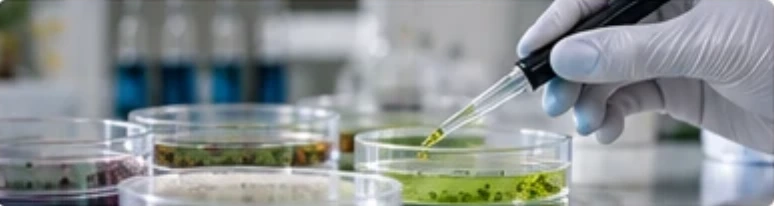
Microbiological Testing
Herbal raw materials carry microbes from the field. We test for total plate count, yeast and mould, and relevant pathogens to confirm the extract is safe to use in capsules, tablets, powders and drinks.
-

Pesticides Testing
Residue screening checks that an extract meets organic requirements and the pesticide limits set by regulators and customers. For certified organic extracts, it gives buyers lab evidence to back up the organic claim on the label.
-
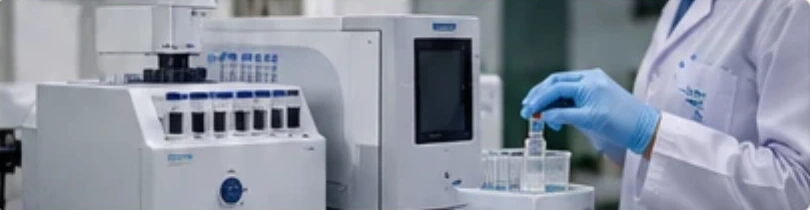
ETO (Ethylene Oxide) Testing
Ethylene oxide is a sterilising gas that has been used on some spices and botanicals. Since 2020 the EU has recalled products over ETO residues, and many buyers now ask for an ETO result before they accept a shipment. Where applicable, we test ETO in herbal extracts to confirm residues meet the required limits.
-
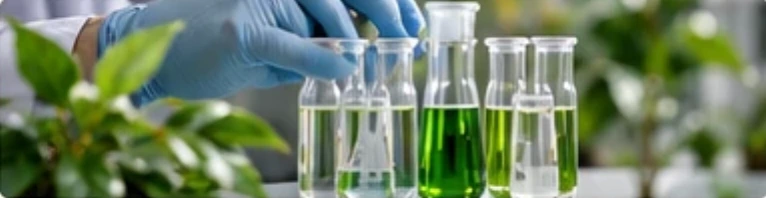
Solvent Residue Testing
When an herb is extracted with a solvent such as ethanol, small amounts can stay in the powder. We use headspace gas chromatography (HS-GC) to identify and measure residual solvents and confirm they are within permitted limits.
Our Certifications
-
 NPOP
(India Organic) Certified as per India’s National Programme for Organic Production. View PDF -
 NOP
(USDA Organic) Certified as per USDA organic standards. View PDF -
 EU Organic
Certified as per European Union organic standards (EU 2018/848).
View PDF
-
 Good Manufacturing Practice
Certified Facility
View PDF
-
 ISO 9001:2015
Quality Management System
View PDF
-
 HACCP
Hazard Analysis and Critical Control Points
View PDF
-
 FSSAI
Food Safety and Standards Authority of India
View PDF
Every Batch Comes With
a Certificate of Analysis (COA)
Complete transparency with detailed test reports for every batch.